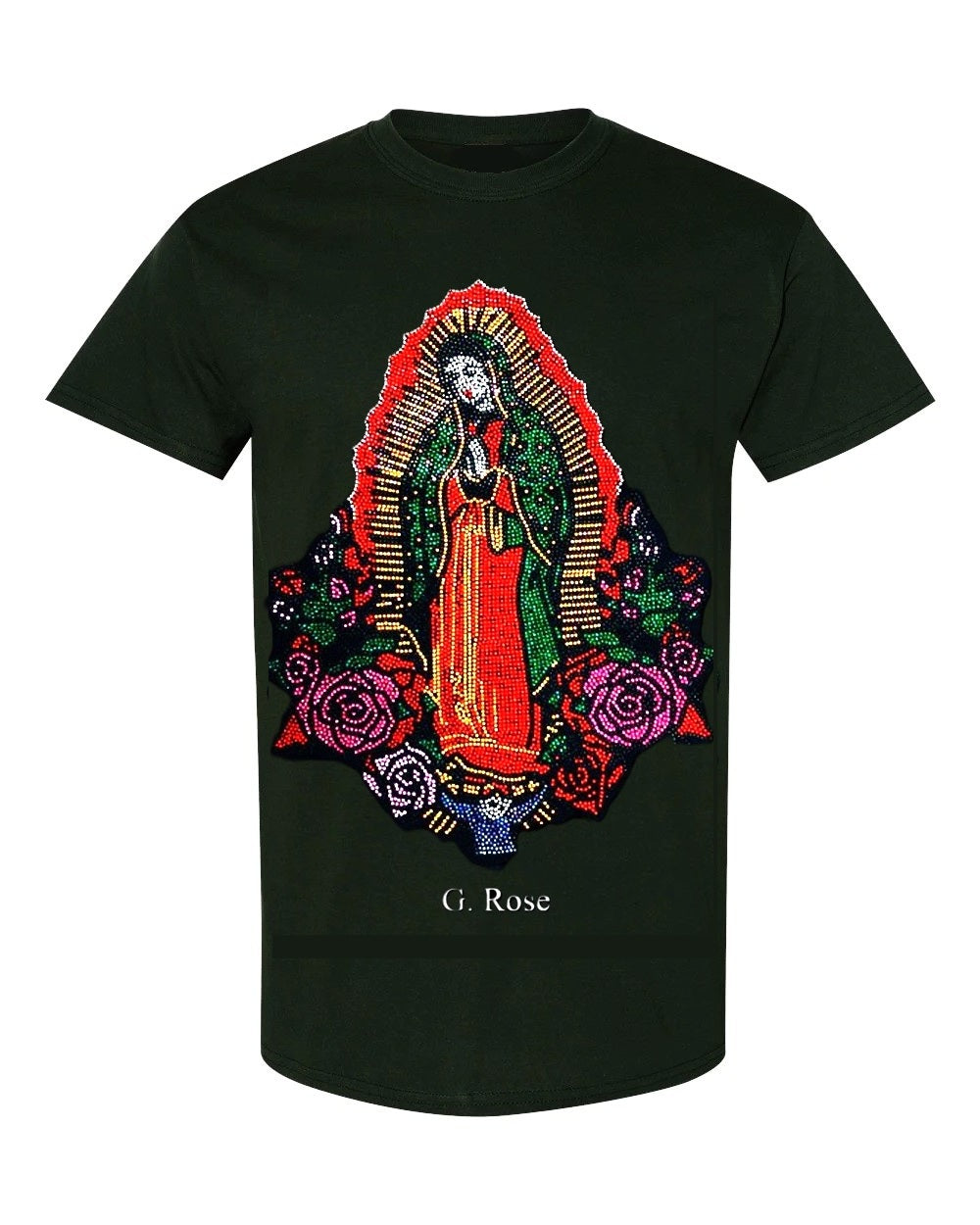
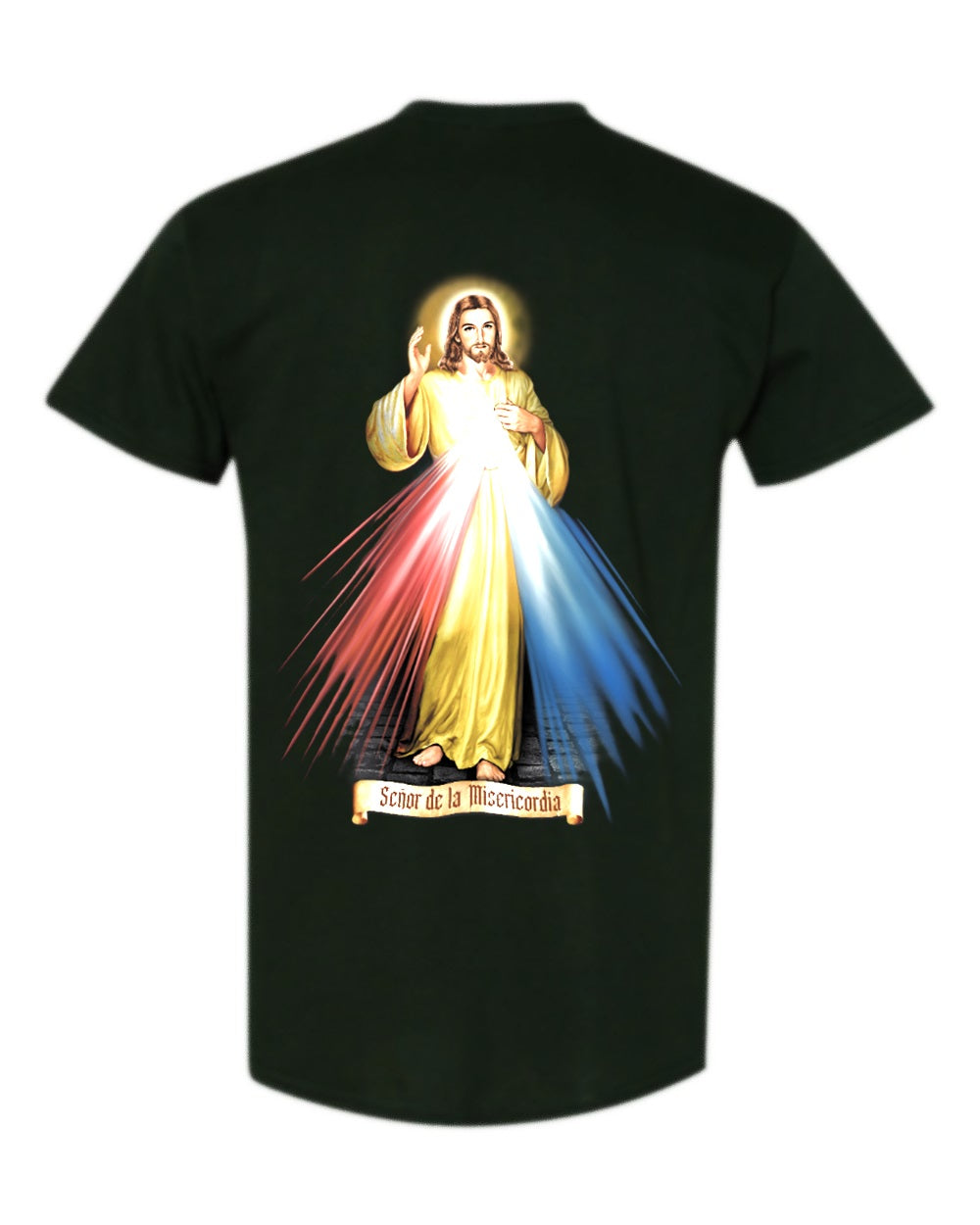
In the rich tapestry of Catholic iconography, few devotions speak as directly to the human soul as the Sacred Heart of Jesus and the Divine Mercy. More than mere artistic traditions, these holy images serve as profound gateways of grace, offering believers a visible and deeply tangible connection to the boundless love, sacrifice, and mercy of Christ. Whether displayed in sacred spaces or worn as a cherished piece of daily jewelry, these symbols carry a transformative spiritual power that transcends centuries, continually drawing us into a closer walk with the divine.
In this comprehensive guide, we will unpack the deep theological meaning and captivating symbolism woven into these iconic images. You will discover the rich spiritual history behind St. Margaret Mary Alacoque’s vision of the burning, wounded heart and St. Faustina Kowalska’s heavenly encounter with the radiant rays of mercy. Together, we will examine what every flame, crown of thorns, and beam of red and pale light signifies, revealing how these visual masterpieces articulate the ultimate promise of salvation.
Furthermore, we will explore why carrying or wearing these sacred emblems in your day-to-day life serves as far more than a statement of tradition. It acts as a powerful spiritual anchor, inspiring daily faith, peace, and grace amid life’s modern challenges. Prepare to illuminate your understanding and discover how these timeless treasures of Catholic faith can profoundly enrich your personal devotional journey.
Key Benefits and Features
Exploring sacred art provides more than just a historical overview; it offers a transformative look into the visual theology of the Church. This guide is crafted to help readers decode the rich symbolic language found within two of the most cherished devotions in Christian tradition. By bridging history, art, and theology, you will gain a profound appreciation for these sacred images and their enduring spiritual significance.
Here are the key benefits and features of this comprehensive guide:
-
In-Depth Theological Breakdown: Uncover the profound spiritual meanings behind the imagery of the Sacred Heart of Jesus and the Divine Mercy. Learn how specific visual elements—such as the burning flames, the crown of thorns, the piercing wound, and the red and pale rays—symbolize Christ’s sacrificial love, divine forgiveness, and infinite mercy for humanity.
-
Mastery of Catholic Iconography: Develop a trained eye for traditional and modern Catholic iconography. This guide equips you with the tools to identify hidden motifs, understand color symbolism, and appreciate the intentional artistic choices made by sacred painters throughout centuries of Church history.
-
Historical and Visionary Context: Trace the historical origins of these devotions from their initial private revelations to their universal approval by the Church. Discover how the 17th-century mystical experiences of St. Margaret Mary Alacoque surrounding the Sacred Heart of Jesus harmoniously align with the 20th-century visions of St. Faustina Kowalska regarding the Divine Mercy.
-
Enrichment of Personal Prayer and Meditation: Elevate your personal devotional life by integrating sacred symbolism into daily prayer and contemplation. Understanding the deeper meaning of these images allows your time spent in Eucharistic adoration, praying the Divine Mercy Chaplet, or venerating the Sacred Heart of Jesus to become more intimate, meaningful, and spiritually resonant.
-
Comparative Symbolism Analysis: Understand the powerful theological connection and distinct nuances between these two monumental devotions. The guide offers side-by-side comparisons, illustrating how the physical, suffering love depicted in the Sacred Heart of Jesus flows directly into the outpoured grace and trust highlighted in the Divine Mercy message.
-
Accessible and Engaging Format: Designed for faithful practice, art history studies, or general curiosity, this guide breaks down complex theological principles into a clear, engaging format. It serves as an essential reference for anyone seeking a clearer understanding of classic Catholic iconography.
Step-by-Step Guide
Deciphering sacred art requires a structured approach to understanding theological symbols and artistic intent. Follow these actionable steps to analyze, interpret, and appreciate the rich spiritual symbolism behind two of the most cherished devotions in Catholic iconography.
Step 1: Analyze the Principles of Catholic Iconography
Start by observing the overall composition, lighting, and posture of the figure. Catholic iconography uses visual elements as a universal language to communicate deep theological truths. Take note of Jesus’ posture, His direct gaze toward the viewer, and the central focus of the artwork—whether it emphasizes an exposed heart or radiant light beaming from His chest.
Step 2: Unpack the Symbolism of the Sacred Heart of Jesus
Examine the specific visual features that define the depiction of the Sacred Heart of Jesus:
-
The Exposed Heart: Placed outside the chest, it signifies Christ’s open, vulnerable, and boundless love for humanity.
-
The Crown of Thorns: Encircles the heart, reflecting the physical pain and emotional rejection Jesus suffered during the Passion.
-
The Burning Flames: Crown the top of the heart, representing the burning, purifying fire of divine love.
-
The Cross and Wound: Highlight the ultimate sacrifice on Calvary and the physical piercing of His side.
Step 3: Decode the Rays of the Divine Mercy Image
Shift your focus to the Divine Mercy portrait, as revealed in the visions of Saint Faustina Kowalska. Look for these distinct visual cues:
-
The Two Distinct Rays: Locate the red ray, representing the Precious Blood that is the life of souls, and the pale ray, symbolizing the Water that purifies and justifies souls through Baptism and Reconciliation.
-
The Hand Raised in Blessing: Observe His right hand raised, actively imparting His peace and absolution upon the world.
-
The Forward Posture: Notice Christ stepping toward the viewer, illustrating God’s active pursuit of sinners.
Step 4: Synthesize the Relationship Between Both Devotions
Compare the two images to recognize their spiritual continuity. While the Sacred Heart of Jesus illustrates the interior depth of Christ's sacrificial love, the Divine Mercy portrait demonstrates the outward pouring of that same love into the world as grace and forgiveness. Recognizing this connection brings a fuller understanding of Christological art.
Step 5: Apply Symbolism to Personal Prayer and Reflection
Finally, use your visual analysis to enrich your devotional practice. When contemplating these masterpieces of Catholic iconography, focus on individual elements during meditation. Reflect on the burning flames of the Sacred Heart of Jesus to ignite charity in your own life, or contemplate the red and pale rays of Divine Mercy while reciting the signature prayer, "Jesus, I Trust in You."
Best Practices and Pro Tips
Navigating the rich visual language of Catholic iconography requires both theological accuracy and spiritual reverence. Whether you are studying sacred art, creating a home altar, or curating religious media, understanding the distinct visual cues of the Sacred Heart of Jesus and Divine Mercy ensures you honor their specific devotional contexts. Here are actionable tips and critical mistakes to avoid.
Best Practices for Interpretation and Display
-
Verify Visual Attributes Carefully: Always look for defining theological symbols. The image of the Sacred Heart of Jesus explicitly features Christ’s exposed, physical heart encircled by a crown of thorns, topped with a cross, and burning with divine flames. Conversely, the Divine Mercy representation depicts Christ with His left hand touching His chest, from which two powerful rays of light—one red representing blood, and one pale representing water—stream outward toward the viewer.
-
Include Proper Inscriptions: When featuring the Divine Mercy image in homes, churches, or print media, ensure the signature phrase "Jesus, I Trust in You" (or its native translation) is clearly legible at the base. This specific text was explicitly requested by Christ during St. Faustina’s visions.
-
Align Visuals with Liturgical Seasons: Integrate these images into your personal or parish prayer routines during their designated liturgical moments. Highlight the Sacred Heart during the month of June and its specific feast day (celebrated after Corpus Christi), while prioritizing the Divine Mercy image during the Easter season, particularly on Divine Mercy Sunday.
Common Pitfalls and Mistakes to Avoid
-
Avoid Merging Distinct Imagery: A frequent error in unofficial or modern religious artwork is blending the visual elements of both devotions—such as rendering the pale and red rays directly emerging from an exposed, thorn-encircled heart. Respect the unique historical origins of each apparition (St. Margaret Mary Alacoque for the Sacred Heart; St. Faustina Kowalska for Divine Mercy) by keeping their visual traditions distinct.
-
Don't Treat Sacred Art as Mere Decoration: Within Catholic iconography, holy images serve as sacramentals designed to direct the mind toward God. Avoid placing representations of the Sacred Heart of Jesus or Divine Mercy in high-traffic, cluttered, or purely secular settings where their spiritual intent is diminished or treated casually.
Conclusion
Understanding the deep spiritual symbolism behind the Sacred Heart of Jesus and Divine Mercy transforms how we view these beloved images, elevating them from mere artwork to profound tools of grace. As two of the most cherished depictions in Catholic iconography, they reveal the ultimate core of the Gospel message: God’s burning, unconditional love and His boundless, forgiving mercy for all of humanity.
While the image of the Sacred Heart of Jesus emphasizes Christ’s physical heart as an inflamed furnace of love and compassion, the Divine Mercy devotion serves as a radiant reminder of the cleansing water and redeeming blood that flow directly from His merciful side. Together, these sacred visuals invite believers to contemplate Christ’s ultimate sacrifice, trust in His divine promises, and cultivate a deeper, personal connection with the Savior.
However, contemplating these sacred images is only the first step. True spiritual growth requires active implementation in our everyday lives. We encourage you to bring the rich tradition of Catholic iconography into your daily routine. Display the images of the Sacred Heart of Jesus and Divine Mercy prominently in your home to create a sacred sanctuary for daily prayer. Practice praying the Divine Mercy Chaplet, dedicate your First Fridays to Christ's Sacred Heart, and strive to reflect His unending compassion to others through active works of mercy.
Open your heart today, embrace these powerful devotions, trust completely in His infinite grace, and let Christ’s radiant love transform your spiritual life forever.